How Your Jewellery Is Made: What to Expect
Follow your jewellery from design to finished piece, understand what you approve, and know which questions to ask before ordering.

Reviewed by Adnan Ali, Graduate, GIA Diamond Grading · Updated 2026-10-18
Understanding the making process helps you know what you are approving and what to expect when your jewellery arrives. The exact method varies by design, but the main stages are design, making the metal piece, setting the stones and finishing.
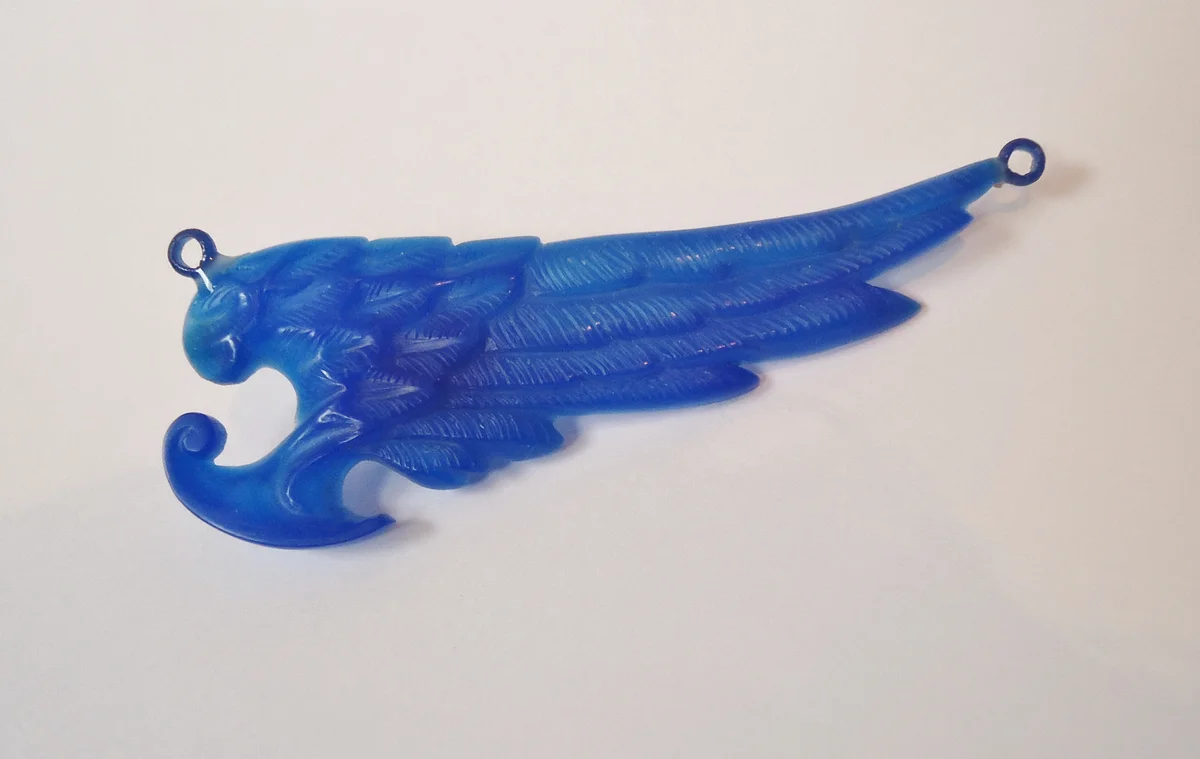

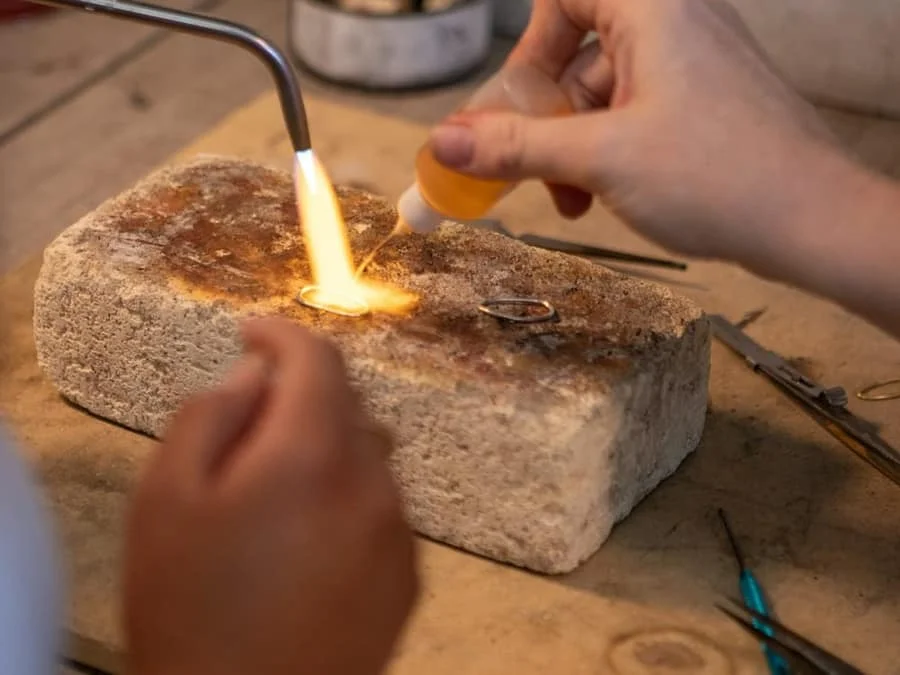
The making stages and what they mean for you
| Stage | What happens | Why it matters to you |
|---|---|---|
| Design and CAD | The design is planned; CAD is a three-dimensional computer drawing. | Check the measurements, setting height and how the piece will fit. Screen shine is not an exact preview of finished metal. |
| Wax or resin model | A temporary model represents the shape before the metal piece is made. | It helps establish the form. Ask whether a model or drawing is included in your approval process. |
| Casting and shaping | The metal form is made, then filed, smoothed and assembled as needed. | The design becomes a wearable piece with refined edges and the agreed dimensions. |
| Stone setting | The diamonds are fitted and secured in the chosen setting. | The final appearance depends on the actual stones, setting and alignment. |
| Final finish | The piece is polished or textured; plating is added if specified. | This creates the surface you chose, such as polished edges or a matt centre. |
| Final checks | The finished piece is checked for fit, finish, stones and agreed details. | Confirm size, engraving and the specification against your order. |
What to confirm before you approve
- The metal, purity and colour, plus any plating.
- The diamond shape, measurements and agreed quality.
- The ring size, band width, setting height and fit beside a wedding band.
- The finish and engraving, including spelling.
- Which drawings or models you are approving and what later changes could cost.
Timing and changes
Ask when the quoted making time begins and whether it refers to dispatch or delivery. Also confirm the cancellation terms before paying. A size, stone or design change after approval can require extra work and affect the price or timing; get any revised agreement in writing.
When your jewellery arrives
Check the piece against your agreed specification, try the fit and look at the finish and engraving. Keep the grading report and care information with your purchase records. Ask for advice promptly if anything feels rough, a stone moves or the fit is not as expected.
Hallmarking checks the precious-metal standard where required. A diamond report describes the stone. They answer different questions, so keep both where supplied.
Sources: GIA: digital design and manufacturing · GIA: CAD/CAM at the bench · GIA: manufacturing quality benchmarks · Cooksongold: precious-metal casting service