Diamond Quality: What Is Worth Paying For?
Understand colour, clarity, cut, polish, symmetry and fluorescence so you can compare diamonds without paying for differences you cannot see.
.jpg)
Reviewed by Adnan Ali, Graduate, GIA Diamond Grading · Updated 2026-10-18
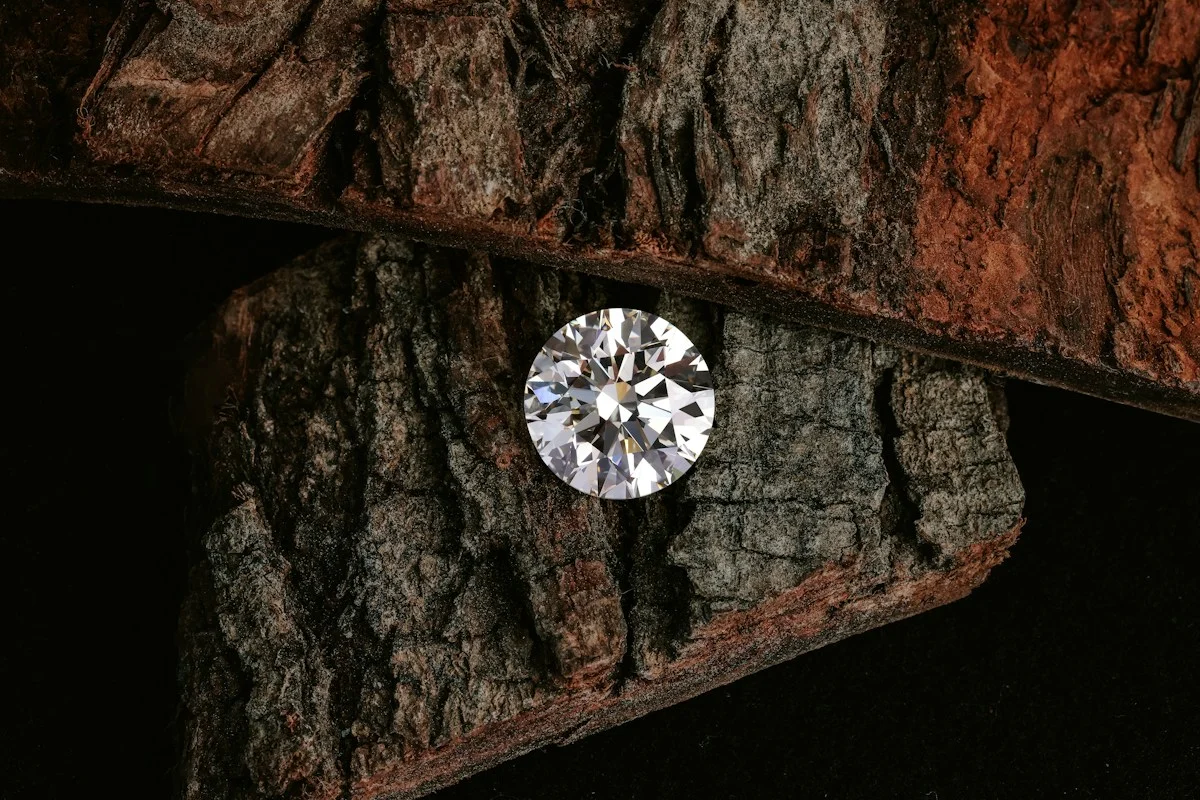
The best choice is a diamond that looks beautiful to you at a price you are comfortable with. A report helps you compare its characteristics, but the highest number or grade in every box is not automatically the best use of your budget.

The six terms at a glance
| Detail | Plain-English meaning | What to check |
|---|---|---|
| Colour | The amount of body tint. D–F are colourless; G–J are near-colourless on the D-to-Z scale. | Compare the actual appearance in your chosen metal. Neighbouring grades can look very similar once set. |
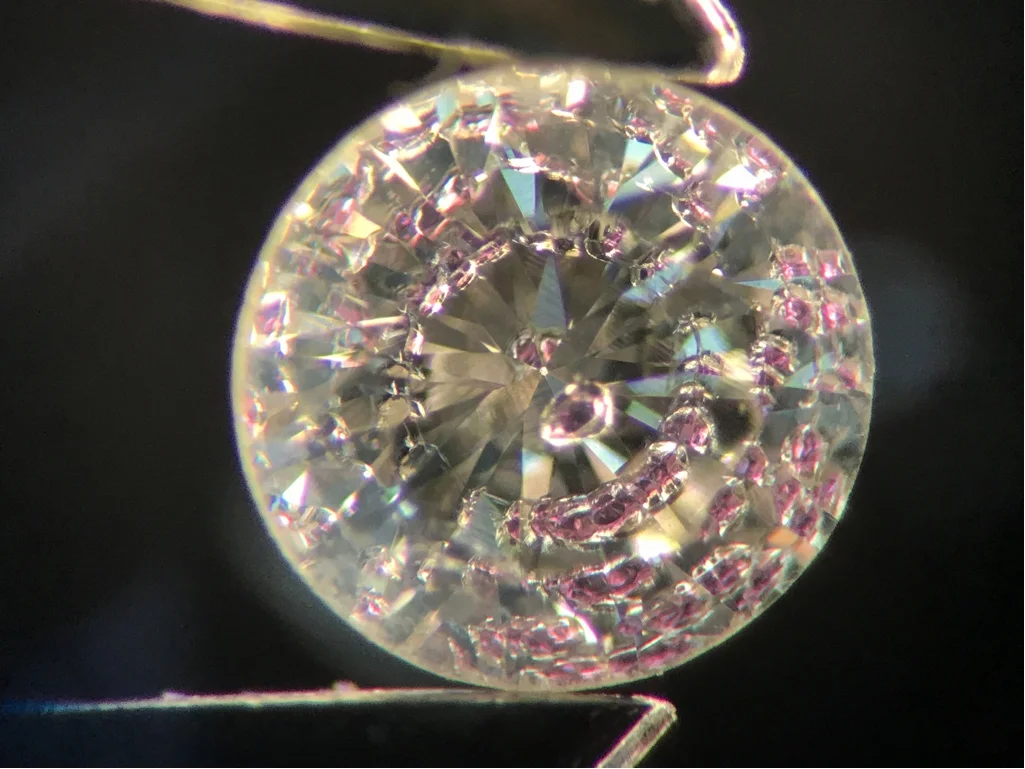
| Clarity | How noticeable internal features and surface marks are at 10×. | Ask whether it looks clean and clear at normal viewing distance. |
| Cut | How well the diamond’s shape and proportions work with light. | Watch it move. Look for attractive brightness and sparkle rather than relying on colour and clarity alone. |
| Polish | How smooth its flat surfaces are. | A useful finish detail, but Excellent polish alone does not guarantee a lively diamond. |
| Symmetry | How well the diamond’s parts and surfaces line up. | Check that the outline looks balanced. The grade alone does not describe every light pattern. |
| Fluorescence | How it responds to ultraviolet light. | Check appearance in ordinary light; the label alone does not establish haze. |
A practical order for choosing
- Choose the shape and visible size you enjoy on your hand.
- Compare how the actual diamonds sparkle as they move.
- Choose a colour appearance you like in the intended metal.
- Check that inclusions are not distracting and the stone looks clear.
- Compare prices for those options instead of paying for higher grades automatically.
Read cut grades in context
Shape and cut quality are different: oval is a shape, not a quality grade. Laboratories and report types do not all assess fancy shapes in the same way. Ask what any cut grade covers. “Triple Excellent” commonly means Excellent cut, polish and symmetry; it does not mean top colour and clarity as well.
Should fluorescence put you off?
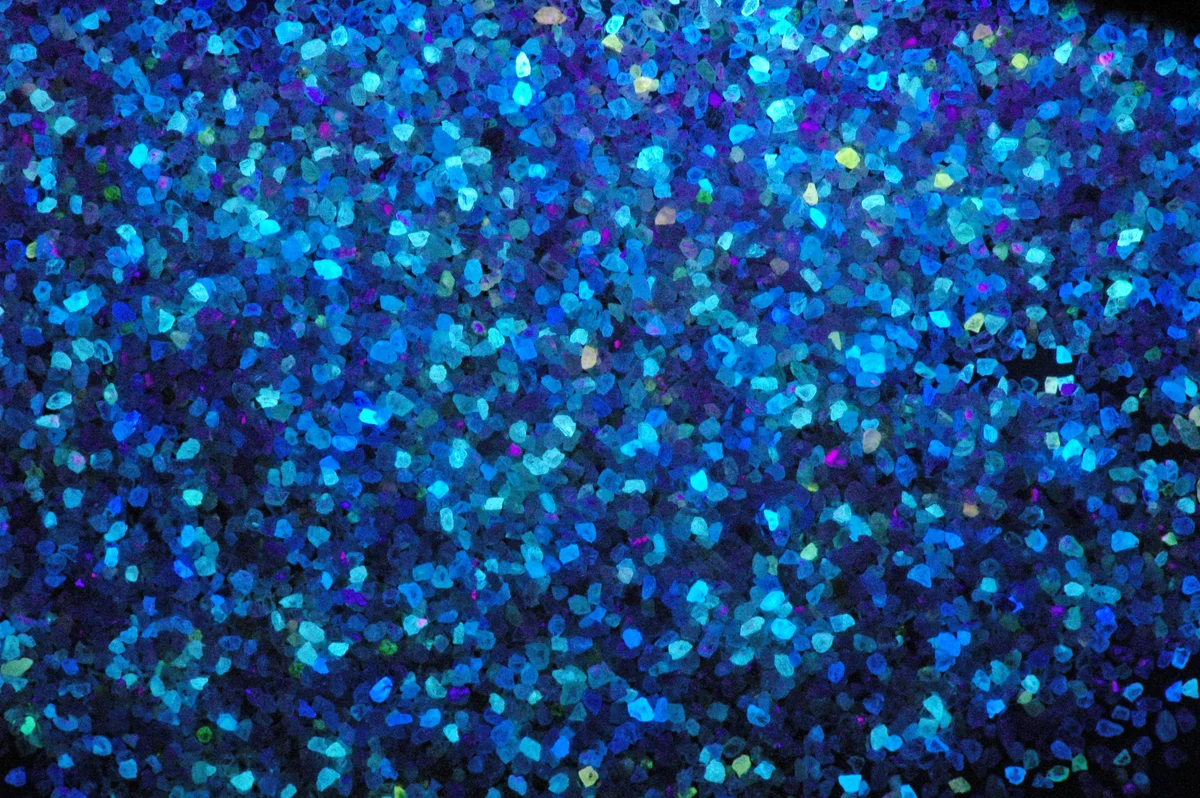
Not automatically. Fluorescence often shows as a blue glow under UV, but it does not mean the diamond looks blue in normal wear. Ask to see the stone in daylight and ordinary indoor light. A fluorescence grade is not a substitute for checking whether it looks crisp and transparent.
Before you buy
Compare the same origin, shape and similar size, then look at the whole diamond. A higher grade is worth paying for when it gives you an appearance or specification you value. For lab-grown diamonds, also check the report format: GIA’s current Premium/Standard service differs from reports showing individual colour and clarity grades.
Sources: GIA: diamond quality factors · GIA: polish and symmetry terminology · GIA: fluorescence and appearance research · IGI: cut grading · HRD Antwerp: grading the 4Cs · GIA: current lab-grown assessment